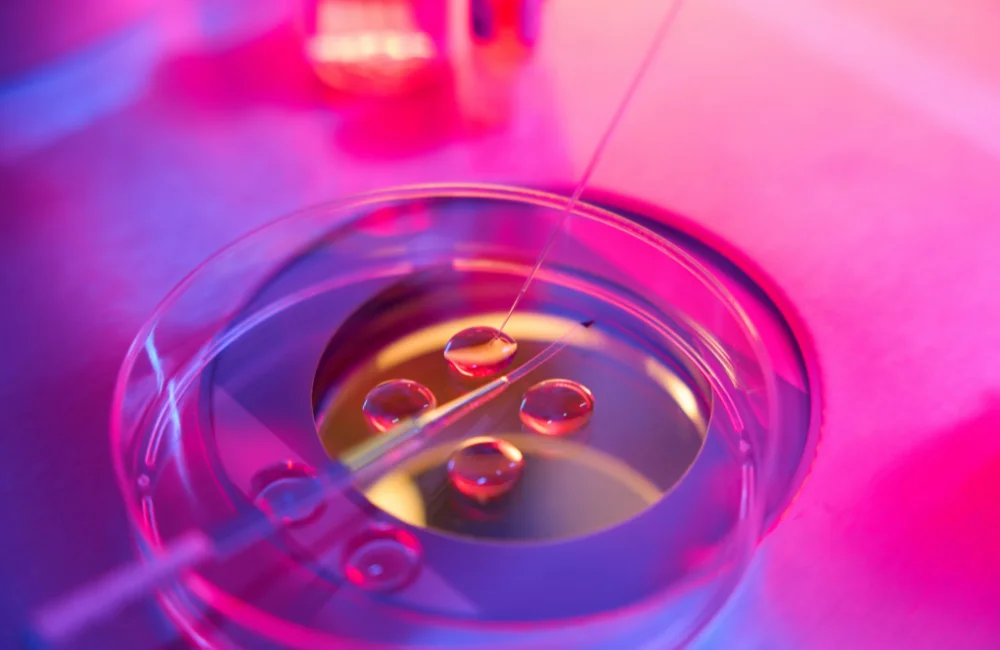
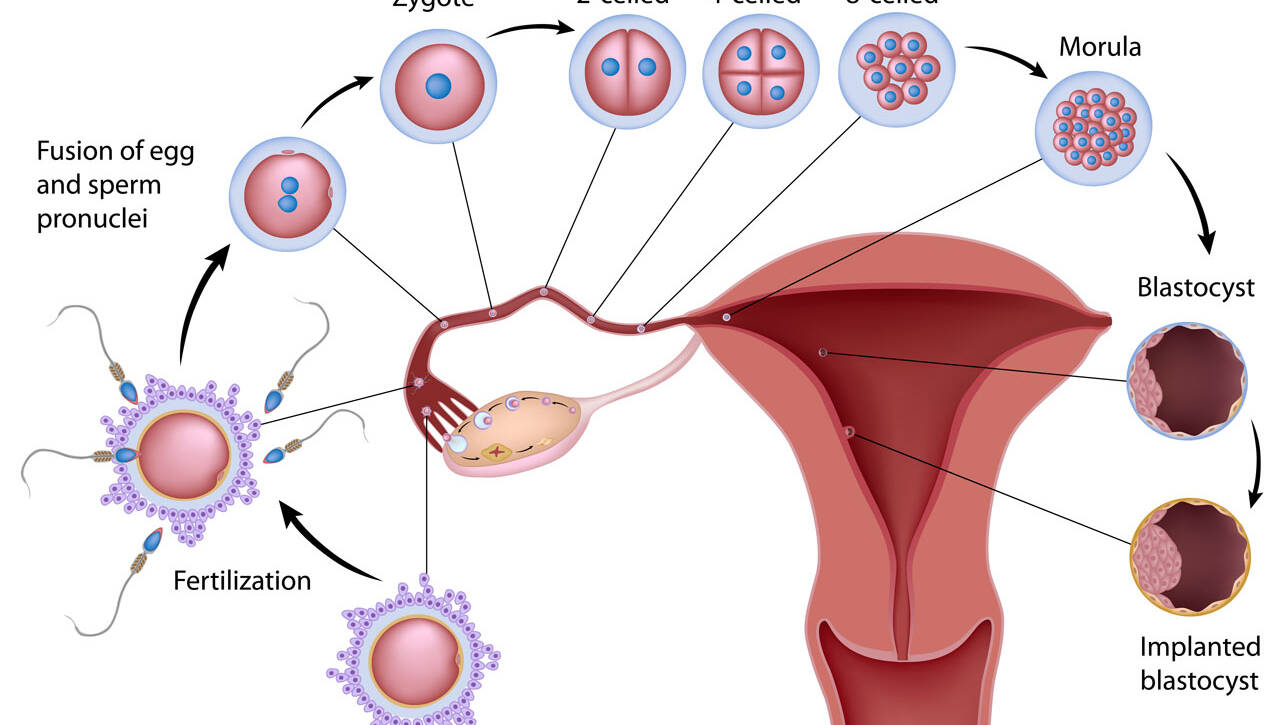
For couples who want to have children through ICSI/IVF, the ‘Blastocyst-stage embryo’ is helpful in increasing the chances of pregnancy.
When a couple is faced with infertility but desires to have a child and is currently researching options for fertility treatments with the help of medical professionals, such as in vitro fertilization (IVF) or intracytoplasmic…
If you are considering ICSI treatment in Thailand, one of the most important questions is: How much does ICSI cost, and which treatment package is right for you?
Quick Answer
GFC’s 2026 ICSI package prices are THB 150,000 for LiTE, THB 170,000 for Gold, THB 230,000 for Platinum, and THB 350,000 for Diamond. The Platinum…
After embryo transfer, the two-week wait before testing is one of the most emotionally charged periods in any IVF or ICSI cycle. The most common questions at this stage are: "What HCG level means I'm pregnant?" and "How do I make sense of my results?"
This article explains HCG clearly — what it measures, how…
During ICSI treatment, one of the key decisions your doctor will discuss with you is whether to transfer embryos "fresh" — in the same cycle as egg retrieval — or to freeze them and transfer in a later cycle (FET).
This guide explains both approaches, their differences, and why FET has become the preferred option…
After embryo transfer, the two-week wait is often described as the most emotionally difficult part of the entire IVF or ICSI process. One of the most common questions during this time is: "Has the embryo implanted yet?"
This article walks you through the implantation timeline, what you might feel, and what actually matters during the…
Infertility is often assumed to be a female issue — but male factors contribute to roughly 40–50% of all infertility cases. Understanding the causes and treatment options is an important first step for any couple trying to conceive.
This article covers the most common causes of male infertility, how it's diagnosed, and what treatment options…
Can you have twins with IVF or ICSI? Yes. IVF and ICSI can result in twin pregnancies, but the chance depends mainly on how many embryos are transferred, not on the fertilization method itself. Fraternal twins usually occur when two embryos implant successfully, while identical twins can occur when a single embryo naturally splits into…
IUI, ICSI, and IVF are assisted reproductive technologies for treating, the answers for those who want to have children.
The issue of infertility is an unwelcome obstacle for couples who desire to enrich their lives and build a family by adding a little one as a new member. If a couple encounters infertility, it can…
Can You Get Pregnant with Uterine or Pelvic Adhesions? Yes. Many women with uterine or pelvic adhesions can still become pregnant, either naturally or with fertility treatment such as IVF/ICSI. Pregnancy success depends on the location and severity of the adhesions and whether they interfere with ovulation, fertilization, embryo implantation, or the normal function of…
Chromosomal testing is important for mothers in older age
Currently, with the changing values of Thai women from the past, in terms of education that must be completed and the ambition for career advancement, these are all factors that lead to Thai women marrying later. Additionally, the increasing age of women is one of…
NGS chromosomal screening is a helpful tool for couples experiencing infertility who wish to choose the gender of their child through ICSI.
Treating infertility with assisted reproductive technology to increase chances of pregnancy is a common approach for couples struggling with infertility and hoping to conceive. Frequently, couples facing difficulty conceiving will ask whether assisted…
How many methods are available to assist people with infertility, and what are they?
IUI, ICSI, and IVF are assisted reproductive technologies for treating, the answers for those who want to have children.
Getting married is an important step in a couple’s life and marks the beginning of laying the foundation for a family consisting…