IVF Embryo Grading at a Glance
Embryo grading is a laboratory assessment used during IVF and ICSI to evaluate an embryo's appearance and developmental stage before embryo transfer or freezing. Embryologists examine embryos under a microscope and assign grades based on cell structure, symmetry, fragmentation, and blastocyst development.
In general, higher-grade embryos have a better chance…
Having a baby before does not necessarily mean that getting pregnant again will be easy.
If you previously became pregnant but are now having difficulty conceiving another child, you may be experiencing secondary infertility.
Secondary infertility can affect either partner. Possible causes include age-related fertility changes, ovulation problems, changes in sperm quality, blocked fallopian tubes,…
What Is Embryo Transfer in IVF and ICSI? Embryo transfer is the final stage of IVF and ICSI treatment, where a fertilized embryo is placed into the uterus to achieve pregnancy. It is a painless, minimally invasive procedure performed under ultrasound guidance. Success depends on uterine receptivity, embryo quality, and hormonal support. Pre-Transfer Evaluations and…
Is Medication Required for Every Embryo Transfer?
Not every IVF/ICSI embryo transfer requires the same medication protocol. Some women undergo a natural frozen embryo transfer, where the transfer is timed with their natural ovulation cycle. Others receive a medicated cycle using estrogen and progesterone to control the timing and optimize endometrial development.
Your fertility…
Considering ICSI and IVF treatment in Thailand? This guide explains the difference between IVF and ICSI, who may benefit, how treatment works, expected timelines, success factors, costs, PGT-A, embryo transfer, and what international patients should know before traveling for fertility treatment. Quick Answer IVF (in vitro fertilization) is an assisted reproductive treatment in which eggs…
After the embryo transfer, patients should continue taking their prescribed medications and follow the doctor’s instructions carefully to support implantation and early pregnancy. This guidance applies to both conventional IVF and ICSI treatment cycles, and patients who are still learning about the differences between the two may benefit from reading our IVF vs ICSI guide…
Does taking birth control pills affect the process of IVF/ICSI?
Taking birth control pills increases the chances of pregnancy for those undergoing IVF/ICSI.
The act of taking birth control pills appears to be a contrary or misguided method for couples who have difficulty conceiving and wish to have a child. They decide to…
What is the importance of uterine wall?
"The uterine wall is the endometrial lining of the uterus in women. Each month, as the egg is released from the ovary, the uterine wall thickens to prepare for the potential implantation of a fertilized egg. If the egg is not fertilized, the uterine lining will shed and…
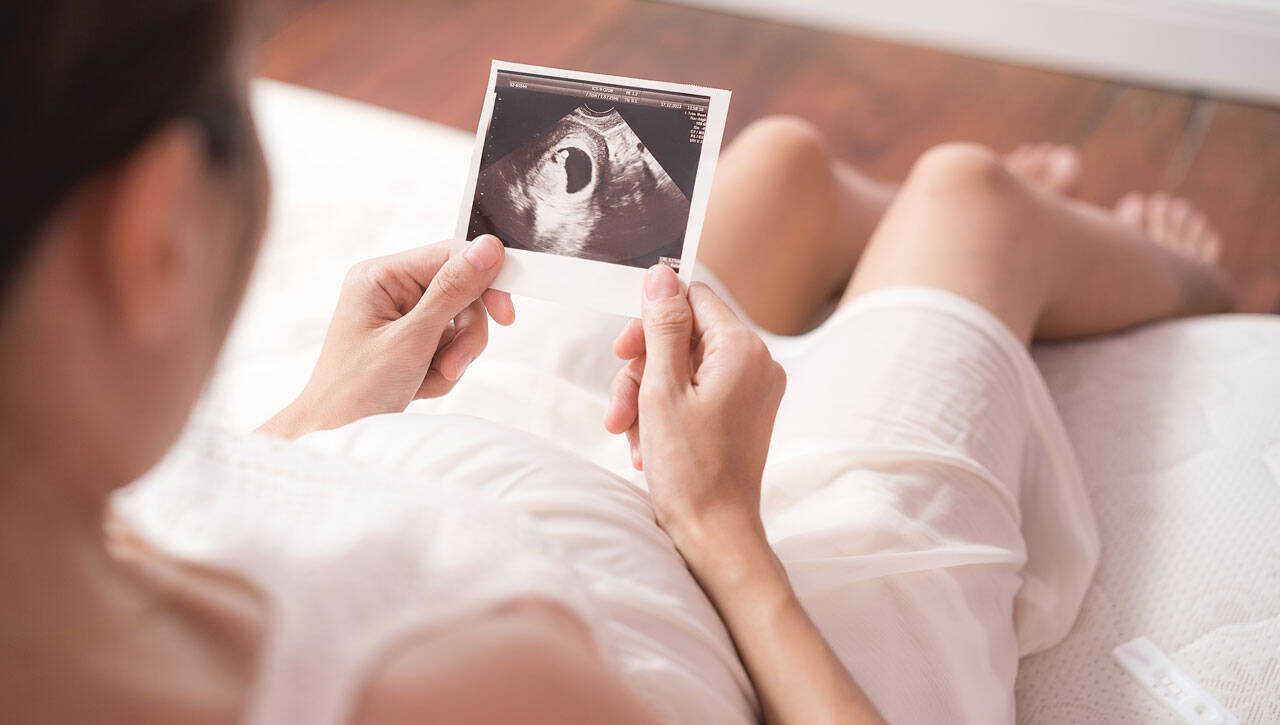
8 Weeks Pregnant: Fetal Development at 1.32 cm and Essential Changes for Moms-to-Be
If your baby measures 1.32 cm (13.2 mm) at 8 weeks pregnant, it is often within the normal range, depending on the exact gestational age and how your pregnancy was dated. During the first trimester, healthcare providers use the crown-rump length…
Why freeze eggs at an early age? New generation women’s insight for planning future parenthood.
Egg freezing for women is comparable to purchasing insurance coverage for future risk. It is a viable option for couples who face health problems related to various diseases or have difficulty conceiving, and those who wish to plan their…
Is it necessary to examine the chromosomal status of the embryos before transferring them?
In IVF/ICSI treatment, is it essential to examine the chromosomal status of the embryos before transferring them into the uterus?
Couples who experience difficulty conceiving often opt for IVF/ICSI to achieve pregnancy. Prior to undergoing such procedures, it is…
If you become pregnant after IVF or ICSI, pregnancy is still measured in gestational weeks, just like a naturally conceived pregnancy. The difference is how the pregnancy is dated. For patients who are not yet pregnant, learn more about IVF treatment in Bangkok, including how embryos are created, cultured, and transferred. With IVF, the fertility…