Is Medication Required for Every Embryo Transfer?
Not every IVF/ICSI embryo transfer requires the same medication protocol. Some women undergo a natural frozen embryo transfer, where the transfer is timed with their natural ovulation cycle. Others receive a medicated cycle using estrogen and progesterone to control the timing and optimize endometrial development.
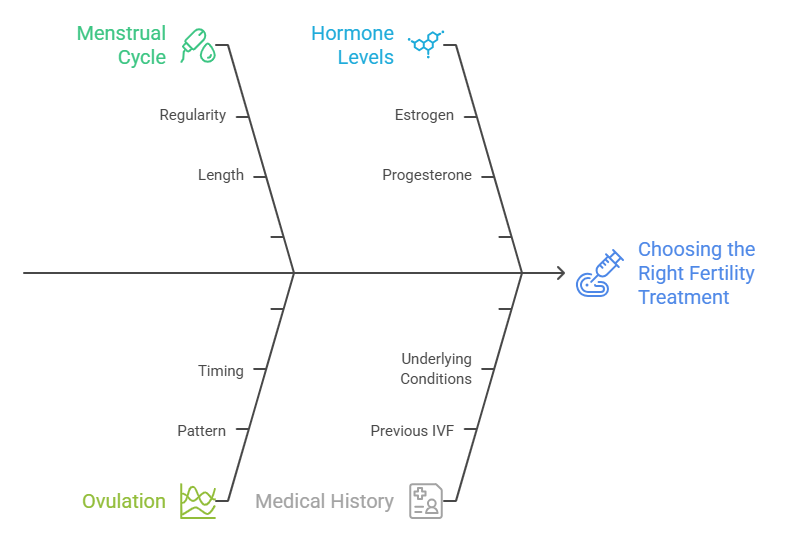
Your fertility specialist will recommend the most appropriate approach based on factors such as:
- Menstrual cycle regularity
- Ovulation pattern
- Hormone levels
- Previous IVF history
- Underlying fertility conditions
- Treatment schedule
The Benefits of Endometrial Preparation Medication in ICSI Cycles
The uterine lining (endometrium) plays a vital role in the female reproductive system. It is responsible for embryo implantation, supporting early fetal growth, creating an optimal environment for pregnancy, and protecting the embryo from external shock and infections.
Taking medication to prepare the uterine lining before an ICSI embryo transfer is a critical step. It ensures the endometrium reaches the peak condition required for an embryo to attach and thrive, significantly boosting the chances of a successful pregnancy and a healthy fetus.
Fresh vs Frozen Embryo Transfer
Lorem ipsum dolor sit amet, consectetur adipiscing elit. Ut elit tellus, luctus nec ullamcorper mattis, pulvinar dapibus leo.
| Fresh Embryo Transfer | Frozen Embryo Transfer |
|---|---|
| Embryo transferred within the same IVF cycle | Embryo is frozen and transferred later |
| Less time between egg retrieval and transfer | Allows the uterus to be prepared separately |
| May not be suitable for every patient | Greater flexibility for endometrial preparation |
| Used in selected patients | Widely used for many IVF patients today |
Frequently Asked Questions
What is uterine lining preparation medication?
Uterine lining preparation medication refers to estrogen and progesterone hormones used to thicken the endometrium and prepare it to receive an embryo before an ICSI or FET transfer.
What is the ideal endometrial thickness for embryo transfer?
The ideal thickness is around 8-10 millimeters, and generally should not exceed 14 millimeters. Your doctor will monitor this with ultrasound during the preparation process.
How long does uterine lining preparation take?
It generally takes about 2-3 weeks from starting the medication until the lining is ready for embryo transfer, depending on each individual's response.
What side effects can uterine lining medication cause?
Possible side effects include breast tenderness, slight weight gain, headache, or nausea, which are usually temporary. Tell your doctor if you experience anything unusual.
What happens if the uterine lining is too thin?
Your doctor may adjust the medication dose or duration. In some cases, the embryo transfer may be postponed to allow the lining more time to reach optimal readiness.
What Medications Are Used to Prepare the Uterine Lining?
The two main hormones used during endometrial preparation are estrogen and progesterone. Together, they replicate the natural hormonal changes that occur during a normal menstrual cycle.
Estrogen
Estrogen is usually the first medication prescribed. It stimulates the growth and thickening of the uterine lining, creating the foundation needed for embryo implantation.
Depending on your treatment protocol, estrogen may be administered as:
- Oral tablets
- Transdermal patches
- Topical gel
- Injections
During this stage, your fertility specialist monitors the lining using ultrasound and, when necessary, blood tests to ensure it is developing appropriately.
Progesterone
Once the uterine lining has reached the desired stage, progesterone is introduced. Rather than making the lining thicker, progesterone changes its structure so it becomes receptive to the embryo.
Progesterone helps:
- Prepare the endometrium for implantation
- Support early pregnancy after implantation
- Maintain the uterine lining until the placenta produces sufficient hormones
Progesterone may be prescribed as vaginal suppositories, vaginal gel, oral medication, or injections, depending on your treatment plan.
Why Is the Uterine Lining Important?
The uterine lining, also known as the endometrium, is the tissue inside the uterus where an embryo implants after transfer. Once implantation occurs, the endometrium supplies nutrients and support during the earliest stages of pregnancy until the placenta develops.
If the lining is not adequately prepared, implantation is less likely to occur. For this reason, fertility specialists carefully monitor the thickness, appearance, and hormonal environment of the endometrium before scheduling an embryo transfer.
A well-prepared uterine lining generally has the following characteristics:
- Appropriate thickness: Commonly around 8–10 mm, although the ideal measurement varies depending on the individual patient and treatment plan.
- Triple-line appearance: A distinct three-layer pattern visible on ultrasound, which is often associated with good endometrial development before progesterone is started.
- Healthy structure: The lining should appear smooth and free from abnormalities that could interfere with implantation.
While endometrial thickness is an important factor, successful implantation also depends on embryo quality, hormone balance, maternal health, and the timing of embryo transfer.
How Endometrial Preparation Enhances Success
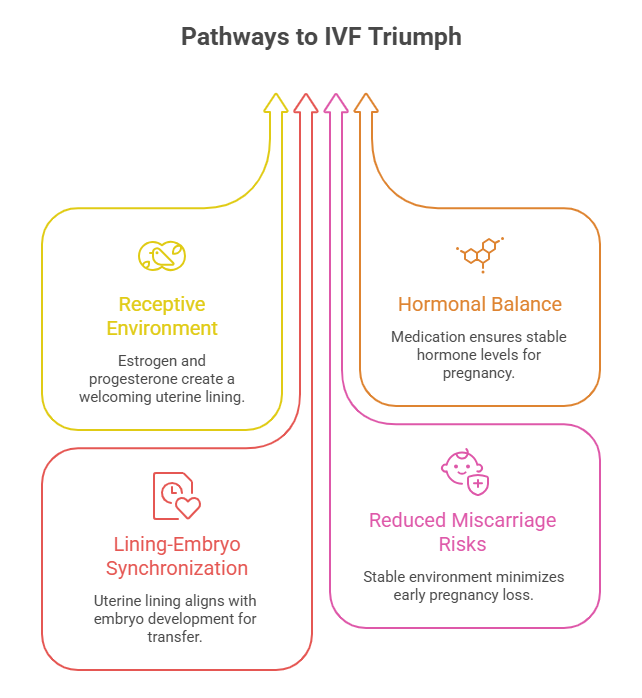
- Creates a Receptive Environment: Estrogen and progesterone actively build the thickness and structural health needed for the embryo to anchor and grow.
- Regulates Hormonal Balance: Medication coordinates your body’s hormone levels precisely for pregnancy, ensuring the lining doesn’t shed prematurely.
- Synchronizes Lining and Embryo Development: The protocol ensures the uterine lining reaches its peak window of receptivity exactly when the frozen embryo is ready to be transferred.
- Reduces Miscarriage Risks: Providing a stable, nutrient-rich environment lowers the risks of early pregnancy loss and related complications.
- Boosts Overall IVF Success Rates: Proper endometrial preparation directly maximizes the likelihood of successful implantation and a full-term pregnancy.
Steps in the Endometrial Preparation Process
- Initial Assessment (Days 2–3 of Period): You will visit the clinic on the second or third day of your menstruation. The doctor will perform a physical exam and pelvic ultrasound to evaluate the uterus and ovaries and initiate the estrogen protocol.
- Monitoring (Days 10–14): A follow-up appointment is scheduled to track progress via ultrasound (measuring lining thickness and pattern) and blood tests (checking estrogen and progesterone levels).
- Adjusting or Confirming the Plan: If the lining isn’t ready, the doctor will adjust the hormone dosage and schedule another check. Once the lining reaches ideal parameters, progesterone (oral and vaginal) is introduced exactly 5 days before the scheduled transfer.
- Complementary Lifestyle Care: During these 2 to 3 weeks of preparation, patients are encouraged to focus on nutrition (eating high-protein foods, vitamins, minerals, and Omega-3 fatty acids), drinking plenty of water to maintain blood flow, engaging in light exercise, getting enough rest, and reducing stress.
Potential Side Effects: While taking these preparation hormones, you may experience temporary side effects such as breast tenderness, mild weight gain, fatigue, headaches, nausea, or mild digestive changes.
Myth vs Fact Box
Common Myths About Embryo Transfer
| Myth | Fact |
|---|---|
| Bed rest increases success | Routine bed rest has not been shown to improve implantation for most patients. |
| A thicker lining always means better implantation | Thickness is important, but receptivity depends on multiple factors. |
| Medication guarantees pregnancy | Medications prepare the uterine lining but cannot guarantee implantation. |
| Everyone needs the same medication protocol | Treatment is individualized based on each patient's clinical situation. |
Summary
Achieving the ideal environment within the uterus requires a combination of precise medical management, balanced nutrition, moderate exercise, and stress reduction. This combined approach offers fertility patients the absolute best foundation for a successful pregnancy.
If you are a couple planning for an IVF cycle, egg freezing, or comprehensive fertility treatments in Thailand, the dedicated experts at Genesis Fertility Center (GFC) are here to help you every step of the way.
- ICSI Treatment Package: 190,000 Baht
- Egg Freezing (Oocyte Cryopreservation): 150,000 Baht
- Comprehensive embryo grading and monitoring services available.
For more information, please contact:
- Call Center: 097-484-5335
- LINE Official: @gfcclinic
- Operating Hours:
- Monday – Friday: 9:00 AM – 8:00 PM
- Saturday – Sunday: 8:00 AM – 8:00 PM