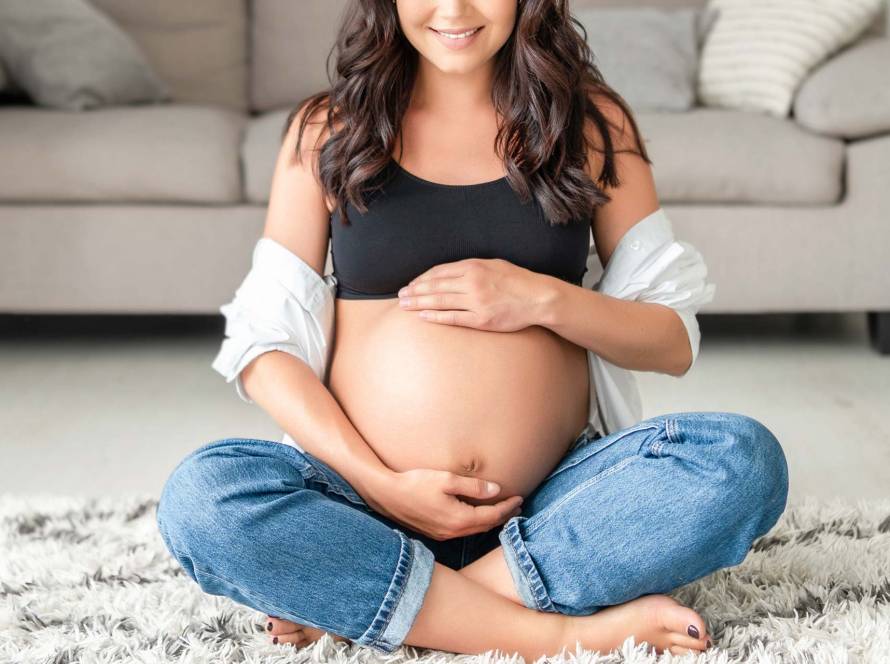
Ovarian hyperstimulation syndrome (OHSS) is a potential complication of fertility treatment in which the ovaries respond too strongly to stimulation medication.
The ovaries may become enlarged, while fluid can move from the bloodstream into the abdomen. This can cause bloating, abdominal discomfort, nausea, vomiting and rapid weight gain.
Most cases are mild. However, severe OHSS can cause serious complications involving hydration, kidney function, breathing and blood clotting and may require urgent medical care. Before choosing a provider, use this guide on how to choose an IVF clinic in Bangkok to evaluate specialist experience, laboratory standards, success-rate definitions, package inclusions, and international-patient support.
The risk is higher in patients with PCOS, high AMH, high antral follicle count (AFC), previous OHSS or a strong ovarian response. The good news is that individualized IVF protocols can substantially reduce the risk of moderate or severe OHSS. For patients considering IVF or ICSI, learn more about ICSI treatment, including how ovarian stimulation is managed and monitored.
What Is Ovarian Hyperstimulation Syndrome?
OHSS occurs when the ovaries respond excessively to fertility medications used to stimulate multiple follicles.
During IVF, ICSI, egg freezing and some ovulation-induction treatments, medications are used to encourage several follicles to develop. In some patients, the ovaries respond more strongly than expected. Patients considering fertility preservation can also read about egg freezing process at GFC, which involves similar ovarian stimulation and egg retrieval processes.
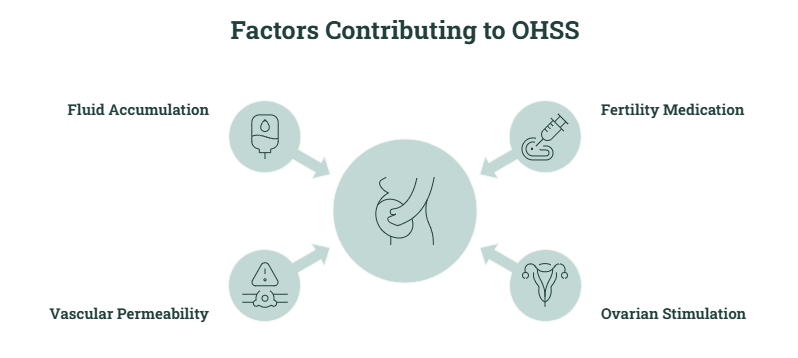
This can enlarge the ovaries and increase vascular permeability, allowing fluid to move out of the bloodstream and accumulate in the abdomen.
OHSS can range from mild to severe. Most cases are mild, but severe OHSS can become a medical emergency.
What Causes OHSS?
The main cause of OHSS is an excessive ovarian response to fertility medication.
After ovarian stimulation and the medication used to trigger final egg maturation, biological signals can increase vascular permeability. This can cause fluid to accumulate in the abdomen and lead to other symptoms.
OHSS can occur even when fertility treatment is carefully monitored. The important point is to identify patients who may respond strongly and adjust treatment before complications develop. [source: PubMed Central]
Who Is at Higher Risk of OHSS?
Some patients are more likely to develop OHSS than others.
Important risk factors include:
- Polycystic ovary syndrome (PCOS)
- High anti-Müllerian hormone (AMH)
- High antral follicle count (AFC)
- A high number of developing follicles
- A strong response to ovarian stimulation
- A large number of eggs retrieved
- Younger age in some patients
- Previous OHSS
AMH and AFC are commonly used to assess ovarian reserve and help predict how strongly the ovaries may respond to stimulation.
Having PCOS or a high AMH does not mean that OHSS will definitely occur. These factors simply help the fertility specialist identify patients who may need a more individualized treatment plan. Patients who are unsure which treatment or testing is appropriate can begin with fertility counseling and treatment planning. A consultation can help review age, ovarian reserve, treatment history, and personal fertility goals.
What Are the Symptoms of OHSS?
Symptoms depend on the severity of OHSS.
What are the symptoms of mild OHSS?
Mild OHSS may cause:
- Abdominal bloating
- Mild abdominal discomfort or pelvic pain
- Nausea
- Enlarged or tender ovaries
A feeling of fullness in the abdomen
Some bloating and abdominal discomfort can also occur normally after egg retrieval. These symptoms do not always mean that clinically significant OHSS has developed.
Your fertility clinic can determine whether your symptoms are expected after treatment or require further assessment.
What are the warning signs of moderate or severe OHSS?
More significant symptoms may include:
- Increasing abdominal swelling or pain
- Persistent nausea or vomiting
- Rapid weight gain
- Reduced urine output
- Significant thirst or dehydration
- Severe abdominal discomfort
- Difficulty breathing
Severe OHSS can cause fluid to accumulate around the lungs, kidney problems, electrolyte abnormalities and an increased risk of blood clots.
When Should You Seek Medical Attention for OHSS?
Contact your fertility clinic promptly if your symptoms are getting worse rather than improving.
Seek urgent medical attention if you develop:
- Difficulty breathing
- Severe or rapidly increasing abdominal swelling or pain
- Persistent vomiting or inability to keep fluids down
- Very little urine or a marked reduction in urination
- Severe weakness, dizziness or fainting
- Chest pain
- A painful or swollen leg
Rapid and significant weight gain
These symptoms can indicate severe OHSS or another complication that requires immediate medical assessment.
Do not wait for symptoms to become severe before contacting your medical team.
When Does OHSS Start After Egg Retrieval?
OHSS does not always begin immediately after egg retrieval.
There are two broad patterns.
Early-onset OHSS
Early OHSS generally develops within several days after the trigger medication used for final egg maturation.
It is mainly related to the ovarian response to stimulation and the trigger.
Late-onset OHSS
Late OHSS develops later and is associated with rising hCG levels from pregnancy.
It can last longer and may become more severe than early-onset OHSS.
For this reason, patients who become pregnant during a cycle in which they are at high risk of OHSS may require closer monitoring.
How Severe Can OHSS Become?
OHSS exists on a spectrum from mild to severe.
| Severity | Typical features |
|---|---|
| Mild | Bloating, abdominal discomfort and nausea |
| Moderate | More pronounced abdominal swelling, fluid accumulation and vomiting |
| Severe | Significant fluid shifts, dehydration, reduced urine output or breathing difficulties |
| Critical | Potentially life-threatening complications affecting organs or blood clotting |
The severity is assessed using the patient’s symptoms, physical findings and, when necessary, laboratory tests and imaging.
Most patients with mild OHSS recover without serious complications. Severe OHSS can require specialist treatment and hospital admission.
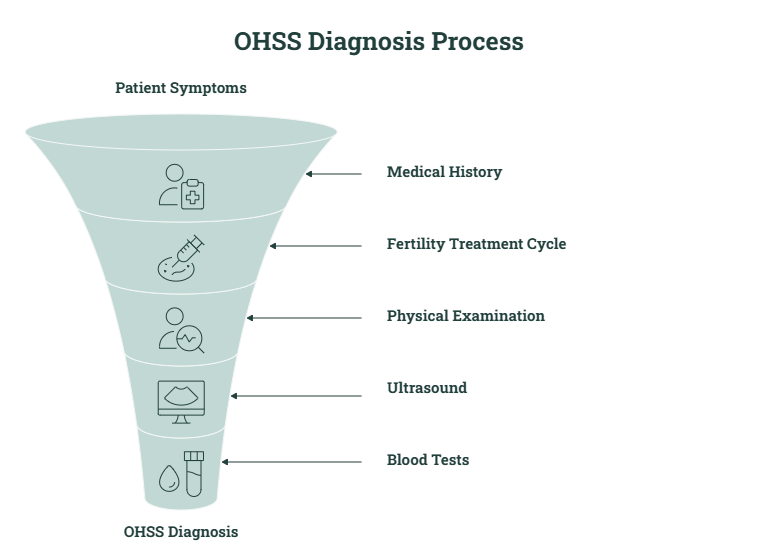
How Is OHSS Diagnosed?
Doctors diagnose OHSS based on the patient’s symptoms, medical history and fertility treatment cycle.
Depending on the severity, assessment may include:
- Physical examination
- Body-weight monitoring
- Measurement of abdominal swelling
- Ultrasound of the ovaries
- Ultrasound to check for fluid in the abdomen
- Blood tests to assess hydration, electrolytes and kidney function
- Monitoring urine output
- Assessment for complications such as blood clots or breathing problems
Patients undergoing fertility treatment should follow their clinic’s instructions about monitoring and reporting symptoms.
How Is OHSS Treated?
Treatment depends on the severity of OHSS.
How is mild OHSS treated?
Mild cases may be managed with close observation and supportive care according to the fertility specialist’s instructions.
Your doctor may ask you to monitor:
- Symptoms
- Body weight
- Abdominal swelling
- Fluid intake
- Urine output
Do not start or stop medication or significantly change your fluid intake without discussing it with your medical team.
How is moderate or severe OHSS treated?
Patients with more significant symptoms may require:
- Closer medical monitoring
- Blood tests
- Ultrasound examinations
- Hospital care when necessary
Treatment focuses on maintaining appropriate hydration and electrolyte balance, monitoring kidney function, controlling symptoms and preventing or treating complications.
Severe cases may require treatment for significant fluid accumulation, kidney dysfunction, breathing problems or blood clots.
How Can OHSS Be Prevented During IVF?
OHSS prevention starts before ovarian stimulation.
Before treatment, the fertility specialist may assess:
- AMH
- Antral follicle count
- PCOS
- Previous response to stimulation
- Expected ovarian response
- Number of developing follicles during treatment
The stimulation protocol and medication dose can then be adjusted according to the patient’s individual risk.
1. Individualized ovarian stimulation
The gonadotropin dose can be selected according to ovarian reserve and expected response.
The goal is to stimulate the ovaries effectively without unnecessarily increasing the risk of excessive response. Review GFC’s current ICSI pricing for package tiers, eligibility criteria, medication limits, and additional services.
2. GnRH antagonist protocols
For patients at increased risk of OHSS, GnRH antagonist protocols are commonly used because they can allow safer trigger strategies.
3. GnRH agonist trigger
A GnRH agonist trigger can reduce the risk of moderate-to-severe OHSS compared with an hCG-only trigger in appropriate patients. The ASRM guidelines on OHSS prevention recommend using GnRH antagonist protocols and GnRH agonist triggers to reduce the risk of moderate-to-severe OHSS.
4. Cabergoline in selected patients
A dopamine agonist such as cabergoline may be prescribed around the trigger for patients at increased risk.
It should only be used under medical supervision.
5. Freeze-all strategy
For patients at high risk of OHSS, the fertility specialist may recommend freezing all suitable embryos rather than performing a fresh embryo transfer.
This can reduce the risk of late-onset OHSS because pregnancy-related hCG is avoided during the immediate post-stimulation period.
The appropriate prevention strategy depends on the patient’s ovarian response, treatment protocol and individual circumstances. For context on how GFC presents and explains its reported outcomes, read the clinic’s guide to IVF success rates in Thailand. Success figures should be compared only when the patient group, embryo type, outcome definition, and denominator are similar.
Can You Still Have IVF or ICSI If You Are at High Risk of OHSS?
Yes. A high risk of OHSS does not automatically mean that IVF or ICSI cannot be performed.
Instead, your fertility specialist may modify:
- The stimulation protocol
- Medication dose
- Trigger strategy
- Embryo-transfer plan
For some high-risk patients, a freeze-all approach followed by frozen embryo transfer (FET) in a later cycle may be recommended.
The treatment plan should be based on the patient’s individual response rather than a single risk factor. In some cases, genetic testing of embryos may be considered. Learn more about PGT-A genetic testing by NGS, including what the test evaluates and when it may be appropriate.
Does PCOS Increase the Risk of OHSS?
Yes. Patients with PCOS can have a higher risk of OHSS because the ovaries may contain a large number of follicles and can respond strongly to ovarian stimulation. For more information about PCOS and fertility treatment, see the guide to PCOS and fertility.
However, PCOS does not mean that OHSS is inevitable.
Doctors can assess ovarian reserve and response and adjust the stimulation protocol accordingly. Careful monitoring and appropriate prevention strategies can significantly reduce the risk.
Does OHSS Affect Pregnancy?
It can. Pregnancy produces hCG, the same hormone that can contribute to the development or worsening of late-onset OHSS.
As a result, OHSS can last longer or become more severe after conception.
If you develop symptoms of OHSS and have a positive pregnancy test, contact your fertility clinic so that appropriate monitoring can be arranged.
How Long Does OHSS Last?
The duration varies depending on the severity of OHSS and whether pregnancy occurs.
Mild cases often improve as the ovaries recover and hormone levels decrease.
When pregnancy occurs, rising hCG levels can prolong or worsen OHSS.
Because recovery differs between patients, your fertility specialist should determine when follow-up is needed and whether additional monitoring is required.
Is OHSS Dangerous?
Most cases of OHSS are mild and resolve with appropriate monitoring and supportive care.
However, severe OHSS can be dangerous and, in rare cases, life-threatening.
Possible complications include:
- Severe dehydration
- Kidney dysfunction
- Fluid around the lungs
- Electrolyte abnormalities
- Blood clots
The most important step is to recognize worsening symptoms early and contact your fertility clinic promptly.
Frequently Asked Questions
Is OHSS common after IVF?
OHSS is a recognized complication of ovarian stimulation during IVF and other assisted reproductive treatments. Mild symptoms can occur relatively often, while moderate-to-severe OHSS is much less common.
Does everyone who undergoes ovarian stimulation develop OHSS?
No. Most patients undergoing ovarian stimulation do not develop significant OHSS. Risk varies according to ovarian reserve, PCOS, ovarian response, treatment protocol and other individual factors.
Can OHSS be prevented completely?
No. OHSS cannot always be prevented. However, the risk of moderate and severe OHSS can be substantially reduced through individualized stimulation, appropriate trigger selection, preventive medication and, when appropriate, freezing embryos rather than transferring them fresh.
What are the first signs of OHSS?
Early symptoms may include abdominal bloating, abdominal discomfort, nausea and ovarian enlargement.
Worsening abdominal swelling, rapid weight gain, persistent vomiting, reduced urination or breathing difficulty require prompt medical assessment.
Can OHSS happen after egg freezing?
Yes. Egg freezing involves ovarian stimulation and egg retrieval, so OHSS is a possible complication. Patients with a high ovarian response may need individualized stimulation and prevention strategies.
Can OHSS happen after IUI?
Yes. OHSS can occur after ovulation-induction treatment or IUI when ovarian-stimulating medications are used. The risk depends on the medication, ovarian response and number of developing follicles.
Can I have IVF if I have a high risk of OHSS?
Yes. A high risk of OHSS does not automatically rule out IVF or ICSI. Your doctor can modify the stimulation and trigger protocol and may recommend a freeze-all strategy when appropriate.
Should I worry about OHSS if I have PCOS?
PCOS is a recognized risk factor, but it does not mean that OHSS will definitely occur.
Your fertility specialist can use individualized medication doses, appropriate stimulation protocols and other preventive strategies based on your ovarian response.
When should I contact my fertility clinic?
Contact your fertility clinic if abdominal swelling, pain, nausea or vomiting is getting worse.
Seek urgent medical care for breathing difficulty, severe pain or swelling, very low urine output, chest pain, fainting or other severe symptoms.
Why Choose Genesis Fertility Center (GFC)?
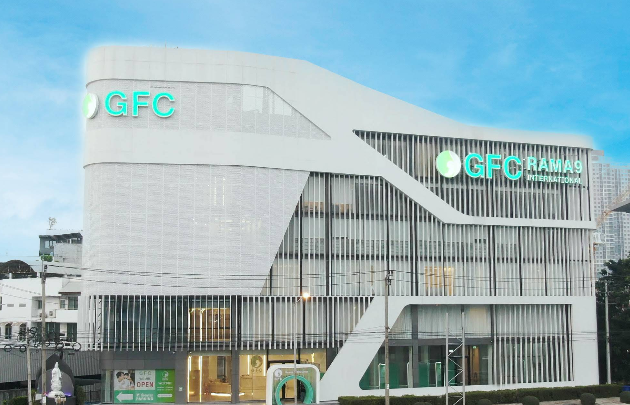
Every fertility journey is unique, and choosing the right fertility clinic is an important step toward building your family. Genesis Fertility Center (GFC), a fertility provider with three centres in Thailand, has provided fertility care in more than 3,600 cases and helped achieve more than 2,300 pregnancies using advanced Assisted Reproductive Technology (ART), including IVF, ICSI, Egg Freezing, Embryo Freezing, and PGT-A. We combine advanced laboratory technology with treatment protocols to deliver care tailored to your individual fertility needs.
Our fertility team of obstetricians, gynecologists, fertility specialists, and embryologists is committed to providing compassionate care, clear communication, and transparent pricing throughout every stage of your fertility journey.
To learn more or schedule a consultation, please contact Genesis Fertility Center (GFC).
Call Center: 097-484-5335 (Bangkok) or (+66) 62-978-8515 (Ubon Ratchathani)
LINE: @gfcclinic
Online: Book a consultation
Clinic Hours
• Monday – Friday: 9:00 AM – 8:00 PM
• Saturday – Sunday: 8:00 AM – 8:00 PM
This article is for general information and does not replace a personal medical consultation. Results vary from person to person.